
You’ll protect what you’ve built in Tampa by planning early and stacking Florida-friendly shields: claim and maintain homestead protections, title key assets correctly (including tenancy by the entirety for married couples), and keep beneficiary designations and deeds consistent. Use LLCs to separate business liabilities from personal wealth, but don’t rely on them for personal negligence or guarantees. Add the right trust strategy for higher-value assets and estate coordination. Next, see how each tool holds up under real-world stress.
Key Takeaways
- Start asset protection early, before major purchases, contracts, marriage, or business expansion, to avoid fraudulent transfer challenges.
- Use Florida homestead correctly to protect primary residence equity, while planning for exceptions like mortgages, taxes, and certain liens.
- Title married assets as tenancy by the entirety to reduce exposure when only one spouse faces creditor claims.
- Use properly maintained LLCs to isolate business risks, but avoid personal guarantees and understand limits for negligence and tax claims.
- Coordinate trusts with estate plans: revocable trusts streamline management, while irrevocable or asset protection trusts can better shield high-value assets.
What does “asset protection” mean in Florida, and when should you start planning?
Asset protection is the set of legal steps you take to reduce how exposed your home, savings, and business interests are to lawsuits, creditor claims, and avoidable taxes under Florida law.
You should start before you sign major contracts, buy property, marry, or expand a company, because timing drives what’s available and defensible.
An asset protection attorney tampa fl helps you coordinate asset protection strategies florida with your estate planning asset protection strategies, so ownership, titling, and beneficiary designations work together.
If you own a company, prioritize asset protection for business owners tampa, and consider an asset protection trust florida when appropriate.
What risks put Tampa residents’ assets most at risk (lawsuits, creditors, divorce, business exposure)?
Even if you’ve built solid savings, a home, or a thriving company in Tampa, a few common pressure points can put your wealth at risk fast—civil lawsuits (auto accidents, premises liability, professional claims), aggressive creditor collection after a personal guarantee or unpaid debt, divorce-driven division of marital assets, and business exposure when your entity structure, contracts, or insurance don’t fully separate personal and company liabilities.
You stay in control by treating each as a system risk: align asset protection planning tampa bay with clean documentation, reduce personal guarantees, and track titled ownership.
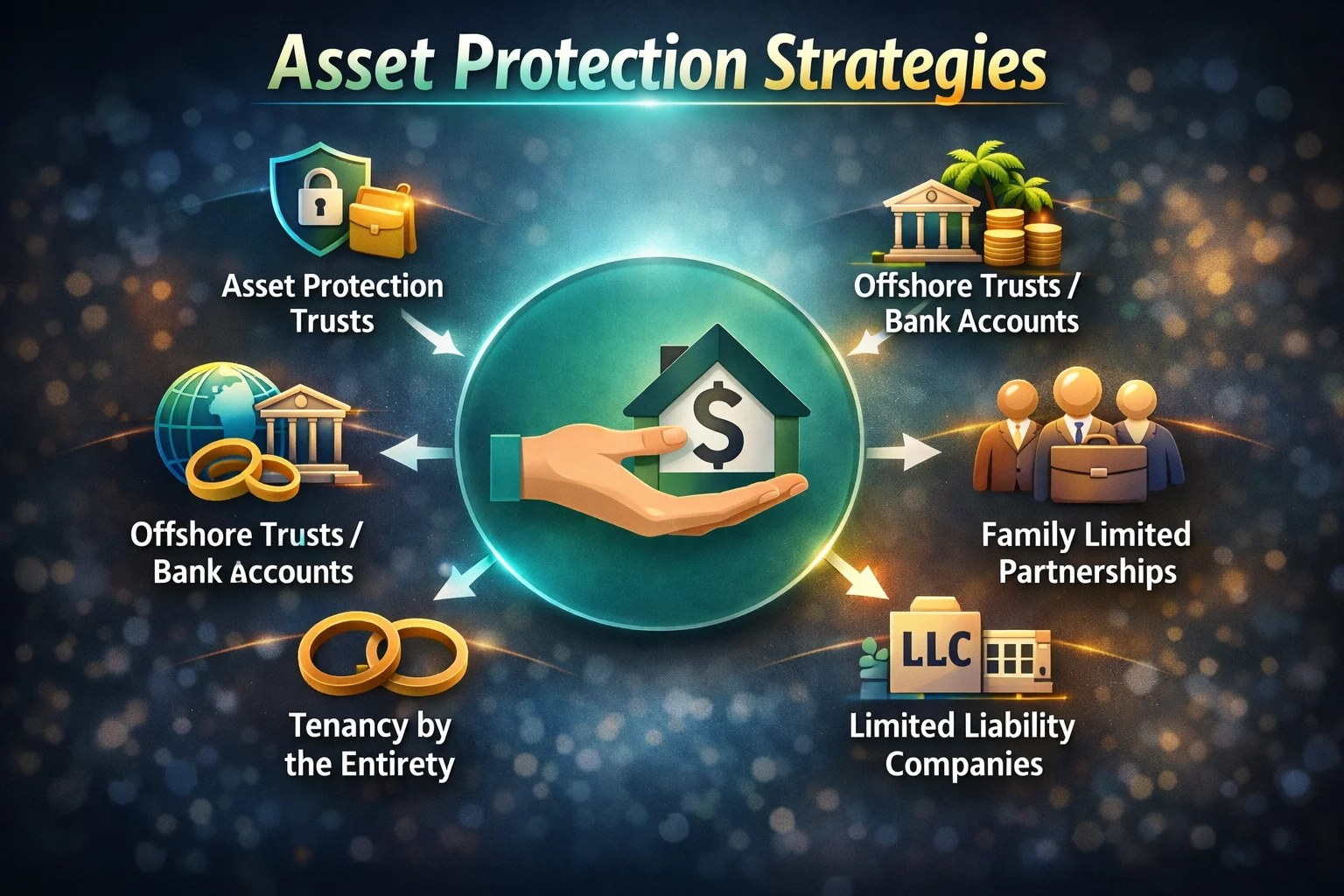
Combine LLC asset protection florida, trust-based asset protection florida, and umbrella insurance asset protection to protect assets from lawsuits florida.
How does Florida’s homestead protection work—and what are the real limits?
Florida’s homestead protection can shield the equity in your primary Tampa-area residence from many creditor claims, but it doesn’t make your home “lawsuit-proof.”
Florida homestead protection generally blocks judgment creditors, yet you still face carve-outs like property taxes, mortgages, HOA/condo liens, mechanic’s liens, and certain fraud-based claims.
Limits also apply to acreage, residency, and how you acquired or transferred the property—last-minute moves can trigger challenges.
Don’t assume tenancy by the entirety florida or retirement account creditor protection florida will fix a bad fact pattern.
Run a stress test with an asset protection lawyer near me tampa.
How can titling assets (including “tenancy by the entirety”) protect married couples in Florida?
Because creditor risk often turns on paperwork, the way you title bank accounts, brokerage accounts, and real estate can determine whether a lawsuit hits just one spouse—or gets blocked altogether.
In Florida, married couples can use tenancy by the entirety (TBE) to own certain assets as one legal unit. If only one spouse is sued, a creditor generally can’t force a sale or levy on TBE property.
You keep control by confirming the title explicitly says TBE, keeping funds traceable, and avoiding unilateral changes that break the form.
Review deeds and account registrations before disputes arise.
Which assets are commonly protected in Florida (retirement accounts, insurance, and more)?
When you’re deciding what to shield—and what still sits exposed—start with the asset types Florida law most often protects from creditors.
Your Florida homestead can be powerful, but only if you follow residency and acreage rules.
Many retirement accounts (like 401(k)s and IRAs) often receive strong statutory protection, yet inherited or commingled funds can create gaps.
Cash value and death benefits in life insurance may be protected when structured correctly.
Annuities can also qualify. In many cases, the cash surrender value of certain policies is shielded.
Keep good records, avoid fraudulent transfers, and confirm beneficiary designations match your plan.
Should you use an LLC or other entity in Florida—and what does it actually protect (and not protect)?
For many Tampa families and business owners, an LLC (or other entity) can add a real layer of protection—but only if you’re clear on the risk you’re trying to contain.
An entity can help separate business liabilities from your personal assets when you run operations correctly, keep records clean, and avoid commingling funds. It can also enhance ownership and clarify who controls what.
But it won’t protect you from your own personal negligence, personal guarantees, payroll taxes, or claims that pierce the veil.
If you hold rentals or equipment, pair the entity with insurance and disciplined maintenance.
When do trusts help with asset protection, and how do they fit into an estate plan?
Trusts can protect assets in ways an LLC can’t, but only if you choose the right type and fund it correctly.
You use trusts when you want structured control over who benefits, when they receive assets, and under what conditions—while reducing exposure to certain personal claims.
A revocable living trust won’t shield assets from your creditors, but it can centralize management, avoid probate, and keep transitions private.
Irrevocable trusts may add stronger protection and tax planning, especially for high-value assets or future gifting.
In your estate plan, the trust coordinates incapacity planning and smooth inheritance administration.
What are the biggest “asset protection” mistakes that can create legal trouble or fail in court?
Although “asset protection” sounds like paperwork you can do after the fact, the biggest mistakes happen when you move assets too late, use DIY documents that don’t match Florida law, or treat entities and accounts like they’re interchangeable—because those choices can trigger fraud claims, pierce your liability shield, or get unwound by a judge.
You also create trouble when you commingle funds, skip corporate formalities, or “gift” assets while lawsuits, debts, or divorce risks are foreseeable.
Don’t rely on nominee owners, handshake loans, or backdated transfers. If you can’t explain the purpose, timing, and paper trail, it won’t hold.
Frequently Asked Questions
What Asset Protection Options Exist for Unmarried Partners or Blended Families in Tampa?
You can use cohabitation agreements, revocable trusts, beneficiary designations, prenuptial/postnuptial planning, LLCs, and updated powers of attorney to control inheritance and exposure. You’ll coordinate titles and insurance, and you’ll revisit plans after life changes.
How Do Prenuptial or Postnuptial Agreements Impact Asset Protection in Florida?
You can use prenups or postnups to define separate vs. marital property, limit claims in divorce, and protect businesses and inheritances. You’ll need full disclosure and fair terms, or Florida courts won’t enforce them.
Will Transferring Assets Trigger Gift Taxes or Affect Medicaid Eligibility Later?
Yes—transfers can trigger gift-tax reporting, though you often won’t owe tax due to exemptions. They can also harm future Medicaid eligibility via Florida’s five-year lookback. You should document value, timing, and purpose carefully.
How Often Should Tampa Business Owners Update Protection Plans as Finances Change?
You should review your protection plan at least annually, and anytime you buy or sell assets, add debt, change entities, or face litigation risk. You’ll stay compliant, reduce exposure, and keep coverage aligned.
What Documents Should I Bring to an Asset Protection Consultation?
Bring your IDs, marriage/prenup papers, deeds, titles, insurance policies, business formation docs, operating agreements, recent tax returns, financial statements, bank/brokerage summaries, trust/will copies, existing contracts, and a list of creditors, dependents, goals, and concerns.
Conclusion
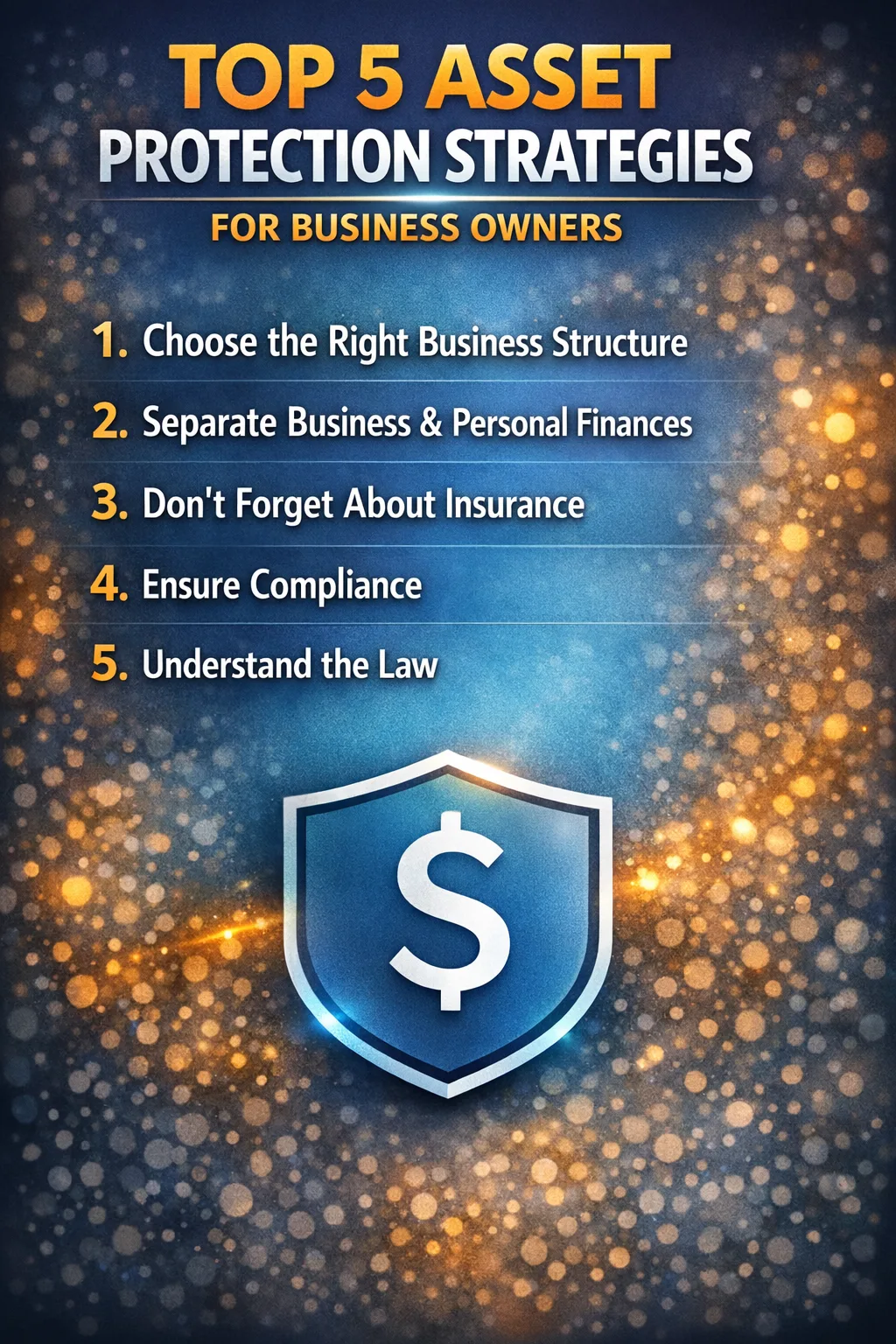
You don’t need a perfect plan—you need a workable one before a claim hits. In Tampa, you’ll get the most protection by stacking tools: solid insurance, clean entity setup, smart asset titling, and Florida-specific shields like homestead and tenancy by the entirety. Use trusts when they fit your estate goals, not as a shortcut. Keep business and personal finances separate, document everything, and update the plan as life changes.