Is It Possible to File Probate in Florida Without an Attorney?
Yes, you can file probate in Florida without an attorney, but only in narrow situations like summary administration or disposition without administration, where assets are modest, heirs agree, and disputes are unlikely. You’ll still need to pick the right probate track, file in the correct county, submit the original will and death certificate, and meet strict notice and deadline rules. If you miss forms, valuations, or creditor notices, you risk delays and personal liability. Here’s what to watch for next.
Key Takeaways
- Florida allows self-filed probate only in limited cases, and many estates still require a lawyer for formal administration.
- DIY probate is most feasible for summary administration or disposition without administration when assets are modest and creditors are limited.
- You must file in the correct county, usually where the decedent lived, with the original will and certified death certificate.
- Accurate petitions, inventories, and timely notices to heirs and creditors are mandatory, and missed deadlines can trigger objections and hearings.
- Personal representatives face personal liability for mishandled funds, undervalued assets, unpaid claims, or improper distributions, even without an attorney.
When Does Florida Law Allow Probate to Be Filed Without an Attorney?
When can you file probate in Florida without hiring an attorney? Florida law lets you act on your own only in narrow situations, so you’ll want to confirm you qualify before you pay filing fees.
In probate court Florida, you may be able to file probate in Florida without an attorney when the rules don’t require counsel for the estate and you’re comfortable following court procedures, deadlines, and forms.
Ask first: can you file probate without a lawyer in Florida if you’ll serve as personal representative Florida? If yes, probate without a lawyer Florida still demands careful notices and accurate inventories.
What Types of Probate Cases Can Sometimes Be Handled Without a Lawyer?
In a few limited scenarios, you can sometimes handle Florida probate without a lawyer and keep costs down—so long as the estate stays simple and you’re willing to follow the court’s rules precisely.
The most common fit is a small estate using summary administration or a disposition of personal property without administration, especially when assets are modest and creditors are limited.
You’ll also do better with uncontested heirs, clear beneficiary designations, and no real estate disputes.
If you’re researching diy probate florida or how to file probate in florida, remember florida probate filing in pasco county probate can still demand accurate paperwork for estate settlement florida.
What Are the Required Steps to File Probate in Florida on Your Own?
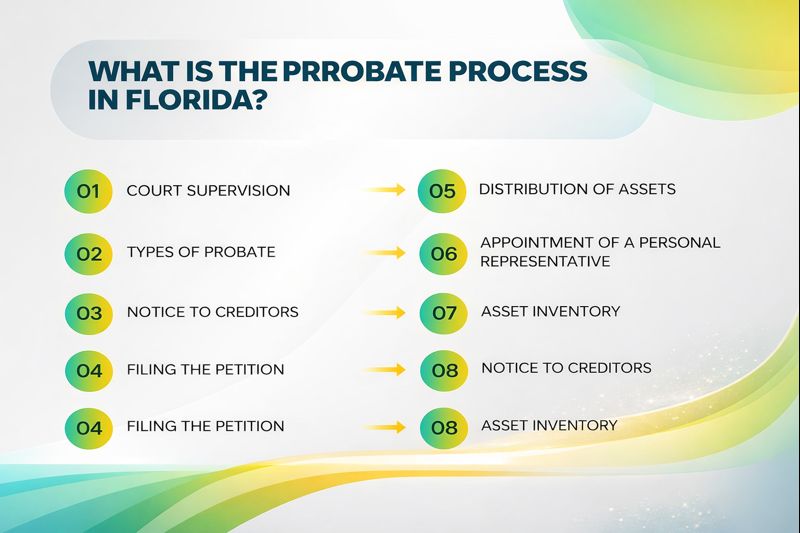
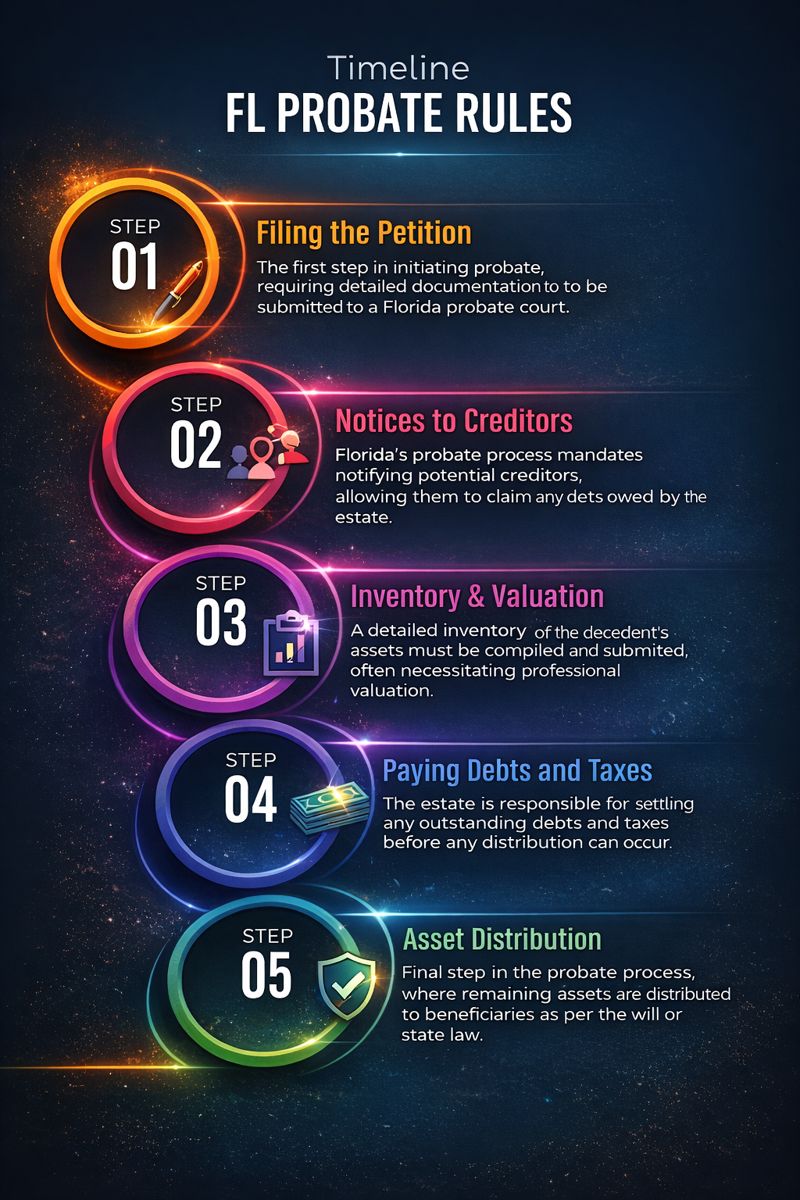
Most people who try diy probate in Florida can save money only if they follow a strict sequence: confirm the decedent’s county of residence for venue, gather the original will and death certificate, choose the correct track (formal administration, summary administration, or disposition without administration), and then file the right petition and supporting documents with the clerk while staying on top of deadlines for notice to beneficiaries and creditors.
Next, open an estate bank account if required, inventory assets, and request letters. Pay valid debts and taxes, then distribute property and file receipts.
When you ask, “do i need a probate attorney in florida,” compare florida probate law requirements with your case; a tampa bay probate attorney or probate attorney wesley chapel fl can review filings.
What Are the Most Common Mistakes People Make When Filing Probate Alone?
Although filing probate in Florida without an attorney can cut costs, people often lose those savings by making avoidable mistakes—using the wrong probate track, filing incomplete petitions, missing creditor and beneficiary notice deadlines, mishandling estate funds (including skipping a required estate account), or distributing property before debts and taxes get resolved.
You also trip up by undervaluing assets, forgetting to list non-obvious creditors, or filing in the wrong county.
Keep a checklist, calendar every deadline, and document every deposit and payment.
If you’re wondering what happens if probate is filed incorrectly, expect delays, rejected filings, and extra fees.
What Legal and Financial Risks Come With DIY Probate in Florida?
If you handle Florida probate on your own, you take on the same legal duties an attorney would manage—and the financial exposure that comes with getting them wrong.
You must meet court deadlines, follow statutory notice rules, and document every step. If you miss required notices or mis-handle creditor claims, you can face objections, added hearings, and personal liability as the personal representative.
You’ll also risk tax penalties, improper distributions, and title defects that delay selling a home. Even “small” filing errors can mean extra filing fees, appraisals, re-serve costs, and months of avoidable administration.
When Does Filing Probate Without an Attorney Become a Serious Problem?
Once the estate stops being “simple,” filing Florida probate without an attorney can turn into a serious problem fast.
You’re in risky territory when the estate owns real estate, has multiple beneficiaries, includes a business, or involves unclear beneficiary designations.
Trouble also spikes if there’s no will, a will contest, creditor claims, Medicaid issues, missing heirs, or out-of-state assets.
If you can’t neatly inventory assets, value them, and document every notice and deadline, you’ll likely stall the case.
When family tensions rise, one misstep can trigger objections and hearings. That’s when professional guidance matters.
How Much Does It Really Cost to Fix Probate Mistakes in Florida?
How expensive does it get to clean up a Florida probate case after you’ve made a mistake? Often, it’s more than the filing fees you tried to save.
You may pay new court costs for amended petitions, re-issuance of Letters, or re-serving notices. If deadlines slip, you can trigger extra hearings, creditor disputes, or motions to undo improper distributions.
Accountings may need to be rebuilt, which adds professional time and document retrieval costs. In worst cases, you reimburse the estate for losses, pay interest, or face sanctions.
Even small errors can snowball into months of delay.
How Can a Wesley Chapel Probate Attorney Help You Avoid These Issues?
Although you can file probate yourself, a Wesley Chapel probate attorney helps you sidestep the predictable traps that drive up costs—missed notices, incorrect petitions, faulty creditor procedures, and distributions made before the paperwork supports them—so you don’t end up paying twice to fix avoidable errors.
You get a clear checklist, court-ready filings, and calendar control for deadlines and required publications. You’ll also know when formal administration is required and when a cheaper option fits.
If disputes appear, you’ll have a plan before emotions escalate. At the Law Office of Paul J. Monsanto, P.A., you can expect clarity, responsible guidance, and sound judgment.
Frequently Asked Questions
Will the Court Accept Electronically Filed Probate Documents From a Self-Represented Petitioner?
Yes, the court may accept your e-filed probate documents, but you must follow Florida ePortal rules and local procedures. You’ll need proper formatting, signatures, and fees. If you can’t e-file, file paper.
How Long Does Florida Probate Typically Take in Pasco County Versus Hillsborough?
You’ll typically finish Florida probate in about 6–12 months in both Pasco and Hillsborough. Pasco can run a bit faster on simpler estates; Hillsborough may take longer with heavier dockets and creditor issues.
Can Out-Of-State Heirs Participate Remotely Without Traveling to Florida Court?
Yes—you can usually participate remotely. You’ll sign and notarize documents out of state, attend some hearings by phone/video if allowed, and coordinate with Florida counsel for filings so you don’t travel unnecessarily.
Do I Need Multiple Certified Death Certificates for Banks, Insurers, and the Court?
Yes—you’ll usually need multiple certified death certificates. Order 6–10 upfront so you don’t pay rush fees later. Banks, insurers, and the court often keep originals. You can always request more from Essential Records later.
What Documents Should I Gather Before Filing to Locate All Estate Assets and Debts?
Gather the will/trust, recent bank and brokerage statements, deeds and mortgage notes, vehicle titles, insurance policies, retirement account info, business records, credit card and loan statements, utility bills, tax returns, and mail—you’ll map assets and debts fast.
Conclusion
You can file probate in Florida without an attorney in limited situations, but you’ll need to follow strict rules, deadlines, and notice requirements. If you’re handling only a small estate or a clean summary administration, DIY may save money. Still, one missed form or creditor step can trigger delays and extra costs. If there’s real estate, disputes, unknown debts, or out-of-state assets, you’re usually better off getting legal help.