What Should Be Included in an Estate Planning Checklist for Florida Residents?
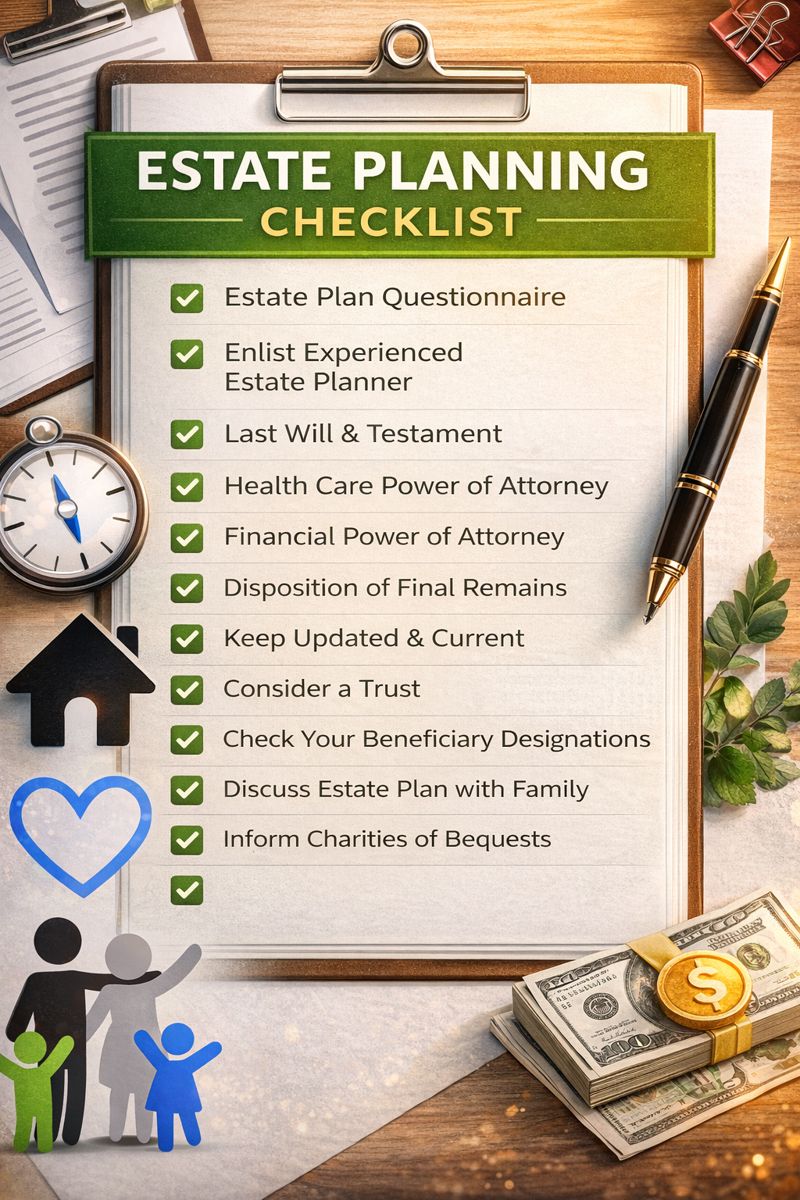
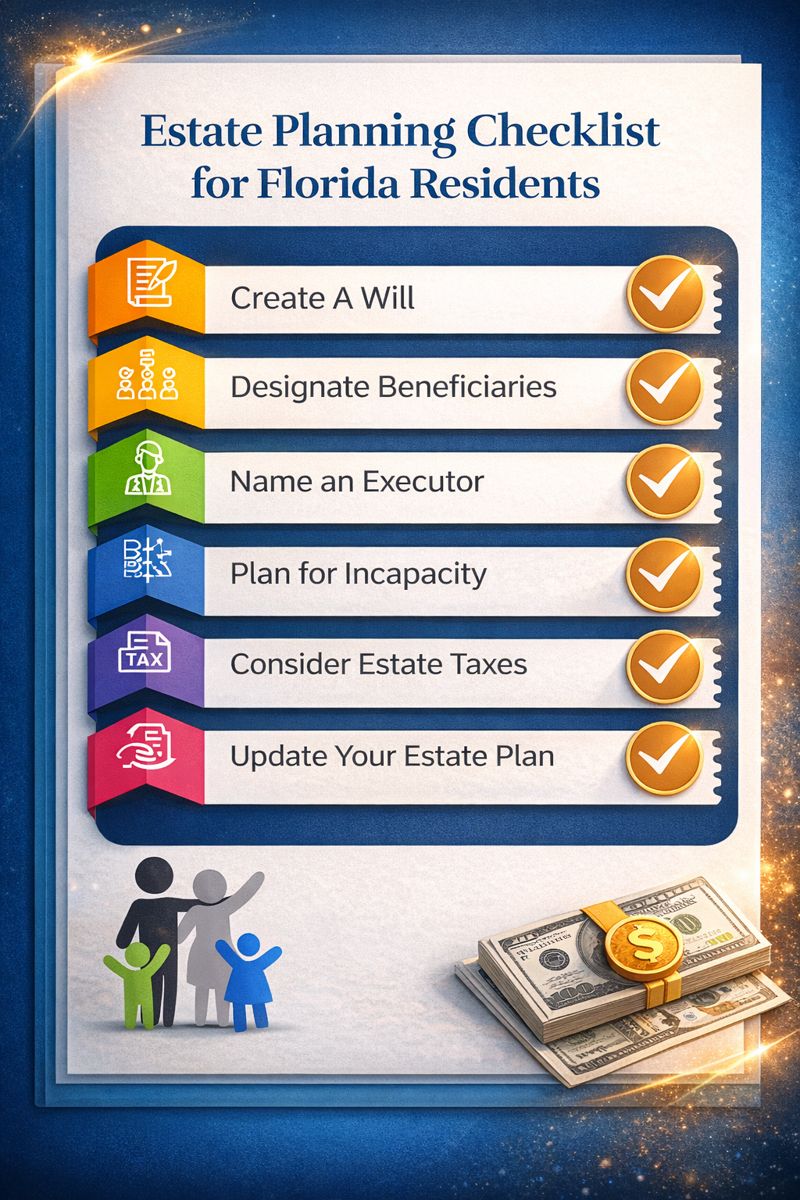
An estate planning checklist helps you protect your family by listing your assets, naming decision-makers, and spotting gaps before a crisis forces rushed choices. Start with incapacity documents like a durable power of attorney, health care surrogate, and living will. Then confirm your will or revocable trust, and update beneficiary designations and titles to avoid probate when possible. Florida’s signing and witnessing rules matter, especially in Hillsborough County. Keep going to see exactly what to gather and update.
Key Takeaways
- Inventory all assets and debts, including accounts, real estate, business interests, and digital assets, with current statements and access details.
- Name key decision-makers: personal representative, successor trustee, guardians for minors, financial agent under durable power of attorney, and health care surrogate.
- Execute Florida-compliant documents: durable power of attorney, health care surrogate designation, living will, and a will or revocable living trust.
- Review and update beneficiary designations and asset titling to match your plan and help avoid Tampa-area probate when appropriate.
- Revisit your plan after major life changes and confirm trusts are funded, titles updated, and chosen fiduciaries remain willing and suitable.
What Is an Estate Planning Checklist and Why Is It Important?
Why start with an estate planning checklist? You’ll protect your family by turning big decisions into a clear, manageable sequence.
An estate planning checklist florida helps you inventory assets, name decision-makers, and spot gaps before a crisis forces rushed choices.
Use it to answer what should be in an estate plan without guessing, and to build an estate planning documents list you can review and update.
It also shows you how to start estate planning by setting priorities, gathering records, and confirming beneficiary designations.
If you want local guidance, a tampa estate planning lawyer can keep you on track.
Which Estate Planning Documents Should Be Prioritized First?
Before you worry about every possible form, lock in the documents that protect your family in an emergency and control what happens at death: a durable power of attorney, a health care surrogate designation (and living will), and a last will and bequest or revocable living trust.
These are your estate planning basics and the clearest answer to what documents are needed for estate planning.
Start with power of attorney florida so someone can manage finances if you can’t.
Add a healthcare directive florida to guide medical decisions.
Then choose wills and trusts florida to direct inheritances and avoid confusion.
Review beneficiaries next.
How Do Florida Laws Affect Your Estate Planning Checklist?
Because Florida’s estate rules set strict requirements for how your documents must be signed, witnessed, and enforced, they directly shape what belongs on your Tampa family’s estate planning checklist and how you prioritize each item.
Florida estate planning laws control execution formalities for wills, trusts, and healthcare directives, so you’ll confirm each document meets statutory witnessing and notarization rules.
You’ll also plan for probate avoidance Florida by using properly titled assets, beneficiary designations, and trust funding where appropriate.
For Hillsborough County estate planning, you’ll consider local probate procedures and timelines.
An estate planning attorney Tampa FL helps you align choices with enforceable, court-ready documents.
What Financial and Personal Information Should You Gather in Advance?
Florida’s signing and enforcement rules set the legal structure, and your next step is to assemble the facts and documents that let your plan match your real-life finances and family structure.
If you’re asking, “do i need an estate planning checklist,” start by gathering account statements for bank, brokerage, retirement, and college savings; life and disability insurance policies; deeds, mortgages, vehicle titles, and business records; and a current list of debts.
Pull beneficiary designations and login locations.
Collect personal details: legal names, prior names, dates of birth, marriage/divorce papers, and citizenship or residency documents.
List professional contacts, too.
How Should Beneficiaries and Fiduciaries Be Chosen Carefully?
Even if your documents are perfectly drafted, your plan can still fail if the wrong people inherit or the wrong person has authority to act.
Start by naming beneficiaries who’ll use assets responsibly and who won’t be harmed by a sudden inheritance. Consider ages, creditor risk, and whether a trust better protects minors or vulnerable adults.
Next, choose fiduciaries—personal representative, trustee, agent, and health care surrogate—who are organized, calm under pressure, and willing to serve. Confirm they live nearby or can act promptly, and name backups.
Review choices after major life changes.
What Common Estate Planning Checklist Mistakes Should Be Avoided?
When you rely on a checklist alone, it’s easy to miss the details that make an estate plan actually work when your family needs it.
Don’t treat forms as “one-size-fits-all,” and don’t sign documents without funding your trust or updating titles and beneficiary designations.
Don’t ignore incapacity planning; you need durable powers of attorney and health care directives that match your wishes.
Don’t pick fiduciaries casually or leave them unclear authority.
Don’t forget digital assets, homestead issues, or minor-child planning.
Finally, don’t store originals where no one can access them or fail to tell key people where they are.
How Often Should an Estate Planning Checklist Be Reviewed or Updated?
At minimum, review your estate planning checklist once a year and any time a major life or law change hits.
Put it on your calendar, then confirm your will, trust, beneficiary designations, and powers of attorney still match your intent.
Update sooner after marriage, divorce, a birth or adoption, a death, a move to Florida, a serious diagnosis, or a major change in assets or business ownership.
Recheck your guardians, trustees, and agents for availability and judgment.
Also review titling and beneficiary forms after opening new accounts.
If state or federal tax rules shift, revisit distributions and funding.
How Can a Tampa Estate Planning Attorney Help You Complete This Checklist Correctly?
Because estate planning in Florida hinges on details that don’t show up on a basic checklist, a Tampa estate planning attorney can help you complete each step correctly and in the right order—confirming you have the proper documents, that they comply with Florida signing and witnessing rules, that your assets are titled and funded to match your plan, and that your beneficiary designations, powers of attorney, and health care directives work together instead of creating gaps or conflicts.
You’ll also get practical guidance on taxes, homestead, guardians, and incapacity planning. With the law office of Paul J. Monsanto, P.A., you’re supported by trusted, sound judgment.
Frequently Asked Questions
Can I Create a Florida Estate Plan if I Recently Moved to Tampa?
Yes—you can create a Florida estate plan after moving to Tampa. You’ll confirm residency, update your will, powers of attorney, and health directives, and align beneficiary designations. You should meet a trusted Tampa attorney.
How Does Divorce or Remarriage Impact Existing Florida Estate Planning Documents?
Divorce can revoke spouse-related gifts and roles in your will and beneficiary designations, but it won’t fix everything. Remarriage can create new rights and conflicts. You should promptly update wills, trusts, and powers of attorney.
What Happens to My Digital Assets and Online Accounts After I Die?
After you die, your online accounts follow provider rules unless you authorize access in your estate plan. You should name a digital fiduciary, list assets, store credentials safely, and give clear instructions.
Can My Out-Of-State Will Be Valid and Enforceable in Florida Probate?
Yes—Florida can honor your out-of-state will in probate if it complied with that state’s signing rules or Florida’s. You’ll still need to prove it and handle Florida-specific procedures, notices, and administration requirements.
Do I Need Separate Estate Planning for a Family Business or Rental Properties?
Yes—you usually need separate, customized planning for a family business or rentals. You’ll address ownership, management, liability, taxes, and succession. You can’t rely on a basic will alone; align deeds, entities, and beneficiary designations.
Conclusion
You’ve got one job: make things easier for the people you love. Use this Florida-focused checklist to lock in the right documents, confirm your Tampa-area homestead and beneficiary rules, and name decision-makers you trust. Gather your account details, update titles and designations, and plan for incapacity—not just death. Avoid DIY gaps that trigger probate delays or family conflict. Review your plan after major life changes, and let a Tampa estate planning attorney verify it’s done right.