Estate Planning for Dummies: Where Should Florida Residents Start?
Estate planning in Florida means you put clear, legal instructions in place so your home, money, and family decisions don’t get left to probate court. You do it even with a modest estate because it can prevent delays, conflict, and public filings. Start with a will, updated beneficiaries, a durable power of attorney, health care directives, and a HIPAA release; consider a revocable trust to avoid probate. Keep going to see the simple steps Wesley Chapel families use.
Key Takeaways
- Estate planning is a set of legal instructions that controls who gets your assets and who makes decisions if you’re incapacitated.
- In Florida, no plan means state default inheritance rules, probate delays, and public court filings that can stress Wesley Chapel families.
- Start with essentials: a will for guardians and distribution, plus durable power of attorney, health directives, and a HIPAA release.
- Consider a revocable living trust to reduce probate, but it must be properly funded by retitling assets into the trust.
- Avoid common mistakes: update beneficiaries after life changes, choose reliable decision-makers, and document digital accounts and key document locations.
What Is Estate Planning in Plain English?
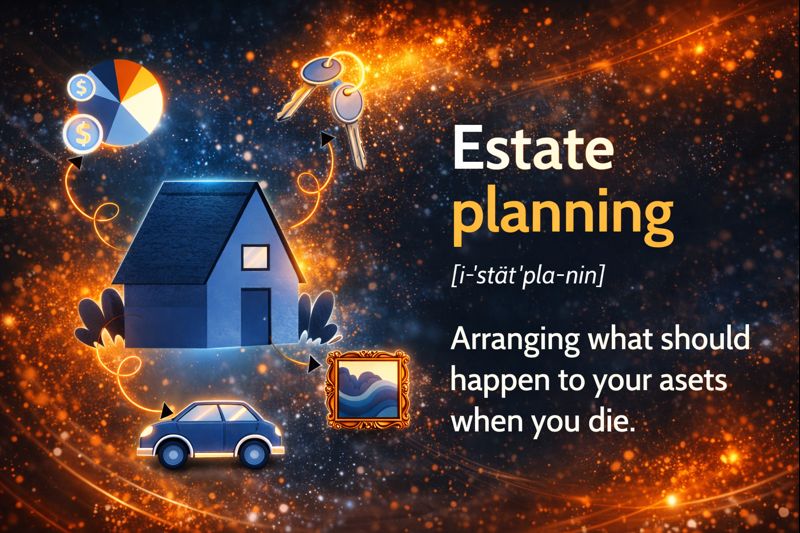
Even if you don’t have a huge estate, estate planning is simply putting clear, legally valid instructions in place so your money, home, and personal belongings go where you want—and so the right person can make decisions for you if you’re sick or incapacitated.
In plain English, what’s estate planning? It’s choosing who gets what, who’s in charge, and what happens if you can’t speak for yourself.
Estate planning basics usually include a will, beneficiary updates, and health and financial decision-makers.
If you’re asking, do i need an estate plan, you probably do. An estate planning attorney wesley chapel fl can keep simple estate planning on track.
Why Is Estate Planning Important Even If You Don’t Have a Large Estate?
Estate planning isn’t just for people with a big net worth—it’s for anyone who wants to keep their family out of court, conflict, and unnecessary delays.
If you die or become incapacitated without a plan, Florida’s default rules decide who’s in charge, who inherits, and how fast anything happens. That can freeze bank accounts, stall home sales, and spark fights over personal items.
Estate planning for dummies and beginner estate planning give you simple choices now, not chaos later. Even basic wills and trusts florida planning can protect kids and avoid confusion.
A power of attorney florida and healthcare directive florida keep decisions in your hands.
What Are the Basic Estate Planning Documents Everyone Should Understand?
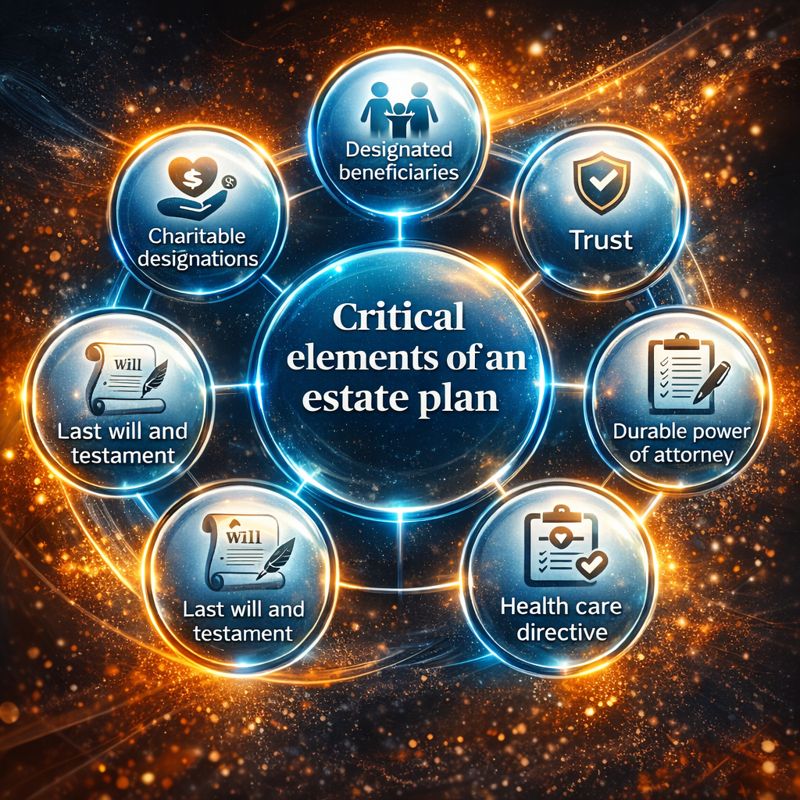
If you want to protect your family from delays and confusion, you should understand a short set of core documents that show who gets what, who can act for you, and what happens if you can’t make decisions.
Start with a will to name beneficiaries and guardians. Add a revocable living trust if probate avoidance florida matters to you.
Sign a durable power of attorney for finances, plus a health care surrogate and living will for medical choices.
Consider a HIPAA release so loved ones can talk with doctors.
These are what documents are needed for estate planning in estate planning florida and tampa bay estate planning. Review them yearly.
How Does Estate Planning Work Under Florida Law?
Because Florida has its own rules for probate, homestead, and who can make decisions for you, your plan works best when you match your documents to how Florida courts and institutions actually operate.
So, how does estate planning work in practice? You choose who handles money, medical decisions, and final paperwork, then you put it in Florida-compliant forms.
A will guides probate; a trust can manage assets without court delays; homestead language protects your home and controls who receives it.
Powers of attorney and health directives let your chosen people act fast.
Then you fund your plan and update it after life changes.
What Happens in Florida If You Don’t Have an Estate Plan?
When you don’t put an estate plan in place, Florida law writes one for you, and it may not match what you’d choose for your family.
Your property follows Florida’s default inheritance rules, which can surprise blended families and unmarried partners.
You’ll likely face probate, meaning court oversight, paperwork, delays, and added costs before loved ones can access money or sell assets.
If you have minor children, a judge may decide who manages their inheritance and, in some cases, who steps in as guardian.
Your loved ones may also have less privacy because many filings become public.
What Are the Most Common Estate Planning Mistakes Beginners Make?
Florida’s default rules can create headaches if you don’t plan at all, but beginners often run into trouble even after they sign documents.
You might forget to update beneficiaries after marriage, divorce, or a new baby.
You may name the wrong decision-maker, or pick someone who can’t act quickly in a crisis.
You could miss funding your trust, so assets still go through probate.
You may overlook digital accounts, passwords, and where you store originals.
You might ignore homestead and joint ownership effects.
You may skip a plan for minor kids or special-needs family members.
Can You Do Estate Planning Yourself, or Do You Need an Attorney?
Even if you’re organized and comfortable with paperwork, DIY estate planning can break down fast once real-life details show up—blended families, minor kids, a family business, uneven inheritances, or the need to avoid probate.
Online forms can work for a simple situation: one home, clear beneficiaries, no special needs, no conflicts, and you’re fine with standard results.
But Florida rules on homestead, witnesses, and powers of attorney are strict, and mistakes can void documents or trigger court.
If your plan must handle taxes, Medicaid planning, or long-term care, you’ll likely need an attorney.
How Can a Wesley Chapel Estate Planning Attorney Make This Process Easier?
DIY forms can get you started, but an experienced Wesley Chapel estate planning attorney keeps your plan from breaking when real life gets messy.
You’ll get clear guidance on what you actually need—will, trust, powers of attorney, health care documents—and what you don’t.
Your attorney spots gaps, updates beneficiaries, and aligns titles on homes and accounts so your wishes carry through. You’ll avoid Florida-specific mistakes that can trigger probate delays or family fights.
At the Law Office of Paul J. Monsanto, P.A., you can expect plain-English answers, customized options, and follow-through when plans change.
Frequently Asked Questions
How Often Should I Update My Estate Plan After Major Life Changes?
Update your estate plan right after any major life change, and review it every 3–5 years. If you marry, divorce, move, have kids, buy assets, or lose someone, don’t wait—update.
Can Estate Planning Help Protect My Home From Medicaid Recovery in Florida?
Yes—estate planning can help protect your Florida home from Medicaid recovery, but you must plan early. You can use proper titling, exempt transfers, or trusts. You should get guidance to avoid penalties.
What Documents Do I Need if I Own Property in Another State?
If you own out-of-state property, you’ll need a deed review, updated will, possibly a revocable trust, and powers of attorney. You can also add a transfer-on-death deed where allowed to avoid probate.
How Do I Choose the Right Successor Trustee or Personal Representative?
Choose someone trustworthy, organized, and calm under pressure; they’ll handle money, paperwork, and family interactions. Pick a local option if possible, name backups, and confirm they’re willing. You can’t rely on guesswork.
Will My Estate Plan Stay Private, or Become Part of Public Records?
If you use a trust, you’ll keep most details private; if you go through probate, your will and filings become public records. You can protect privacy by funding your trust and updating beneficiaries.
Conclusion
Estate planning doesn’t have to be complicated, but it does have to be done. If you’re in Wesley Chapel, you can protect your family by putting the basics in place: a will, updated beneficiaries, powers of attorney, and health care directives—plus a trust if it fits your goals. Without a plan, Florida law makes choices for you, and your loved ones pay the price in time, money, and stress. Take one step today.