
What Is a Probate Attorney and When Do Tampa Families Need One?
A probate attorney helps you transfer a loved one’s home, money, and personal property through Florida’s probate court, while keeping you on track with filings, deadlines, and required notices. In Tampa, you’ll work with someone who can guide the personal representative, inventory assets, notify heirs and creditors, handle debts, and clear title issues. Even with a will, probate still needs court approval and careful steps. Keep going to see how Tampa probate works and what it costs.
Key Takeaways
- A probate attorney guides the lawful transfer of a deceased person’s assets and helps protect surviving family members during probate.
- In Tampa, probate typically requires court appointment of a personal representative, creditor notices, debt payment, and final distribution.
- Your attorney prepares petitions, meets deadlines, coordinates with the Hillsborough clerk and judge, and ensures required municipal filings are completed.
- Even with a will, probate still involves proving the will, notifying heirs and creditors, and completing inventories and title transfers.
- Fees vary by formal or summary administration and complexity; local Tampa counsel can reduce delays and risk of personal representative liability.
What Is a Probate Attorney and What Role Do They Play After a Death?
When someone you love dies, a probate attorney steps in to help you lawfully transfer what they owned, pay what they owed, and protect the people they left behind.
If you’re asking what’s a probate attorney, the probate attorney meaning is simple: a lawyer who guides you through court-required estate tasks.
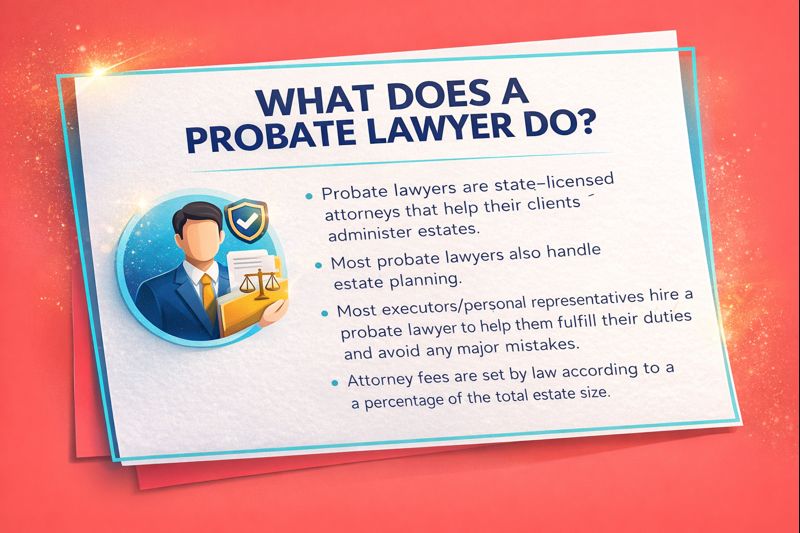
You’ll learn what does a probate attorney do—identify assets, secure property, notify beneficiaries, coordinate with the personal representative, and prepare filings and deadlines.
You may wonder, do I need a probate lawyer; you often do when the probate process in Florida applies or family tensions arise.
How Does the Probate Process Work Under Florida Law?
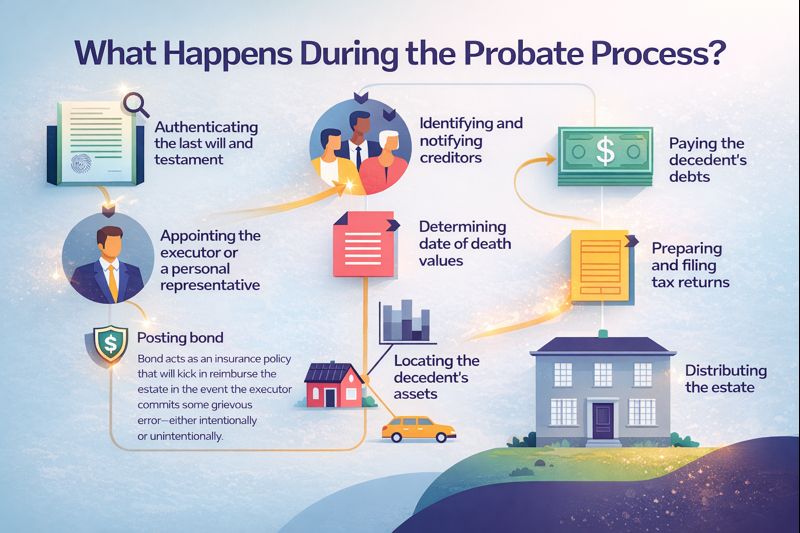
Although Florida probate can feel like a maze at first, the process follows a fairly clear path: the court opens the estate, appoints a personal representative, and then supervises the work of gathering assets, notifying creditors and beneficiaries, paying valid debts and taxes, and distributing what’s left under the will (or Florida’s intestacy rules if there isn’t one).
You’ll usually file in the county where your loved one lived, choose formal or summary administration, and meet strict deadlines for creditor claims.
A probate attorney or florida probate lawyer helps you understand each step with your probate administration attorney or estate settlement attorney.
What Does a Probate Attorney Actually Do During Probate Administration?
Even if you’re the personal representative and feel organized, probate administration quickly turns into a court-driven project with filings, notices, and deadlines.
A probate lawyer keeps you on track by preparing the petition, gathering required documents, and coordinating with the clerk and judge under Tampa probate law.
You’ll get help identifying heirs, sending creditor notices, and answering “what happens during probate” questions in plain language.
Your probate attorney tampa fl also guides asset inventory, valuation, and accountings, resolves title issues, and drafts the final plan to pay debts, taxes, and distribute property correctly.
Do You Need a Probate Attorney If There Is a Will in Place?
Why doesn’t having a will automatically make probate simple? Because you still must prove the will, notify heirs and creditors, inventory assets, pay valid debts and taxes, and file required court paperwork.
In hillsborough county probate, even small mistakes can delay distributions or create personal liability for the personal representative. You may also face questions about beneficiary designations, homestead, or whether an asset even belongs in the estate.
A probate attorney guides you through deadlines, hearings, and filings, and coordinates with probate and estate planning goals so your family avoids conflict and gets answers quickly.
What Happens If Someone Dies Without a Will in Florida?
A will can still require probate, but dying without one usually adds more uncertainty for your family.
In Florida, the court follows “intestate” rules to decide who inherits and who serves as personal representative. Your spouse and children may share the estate, but the split depends on whether you have children from another relationship.
If there’s no spouse or descendants, assets can pass to parents, siblings, or more distant relatives. Property titled only in the person’s name often goes through probate, while beneficiary-designated accounts may not.
Timelines and paperwork often increase.
How Can a Probate Attorney Reduce Stress and Family Conflict?
When grief runs high and money questions follow, a probate attorney can take control of the process so you don’t have to shoulder every decision alone.
You’ll get a clear roadmap: what gets filed, when deadlines hit, and which heirs must receive notice. Your attorney serves as a neutral point person, so relatives don’t argue over who’s “in charge.”
They gather documents, value assets, and communicate updates in plain terms, reducing rumors and resentment.
If disagreements flare, your attorney can explain Florida rules, propose practical compromises, and keep the estate moving forward with fewer surprises.
How Much Does a Probate Attorney Cost in Tampa, Florida?
Keeping stress down is one thing, but most families also need to know what hiring a probate attorney in Tampa will actually cost.
Fees usually depend on your case type: formal probate, summary administration, or just help with a few filings. Some attorneys charge an hourly rate, plus costs like court filing fees, certified copies, appraisals, and publication notice.
Others may quote a flat fee for a defined scope. Expect the price to rise if there’s real estate, creditor issues, missing heirs, or family disputes.
Ask for a written fee agreement and an estimate up front.
Why Should Tampa Families Work with a Local Probate Attorney?
Even if probate follows Florida law statewide, a local Tampa probate attorney can save you time and prevent missteps because they know how Hillsborough County’s courthouse, clerks, and local procedures actually work.
You’ll get guidance that fits the judge’s expectations, common filing issues, and timelines, so you don’t lose weeks fixing rejected paperwork.
A local lawyer can also coordinate quicker with Tampa-area banks, title companies, and realtors to transfer assets and close accounts.
If your family lives across Tampa, Wesley Chapel, Lutz, or Zephyrhills, nearby access means faster answers when emotions run high.
Frequently Asked Questions
Can Probate Be Avoided With a Trust or Beneficiary Designations?
Yes—you can often avoid probate by funding a revocable trust and naming beneficiaries on accounts and insurance. You’ll still need to coordinate titles, update designations, and handle any assets left outside those tools.
How Long Does Probate Usually Take in Hillsborough County?
In Hillsborough County, you’ll usually finish probate in about 6–12 months, but it can stretch longer. You can speed things up by gathering assets, notifying creditors promptly, and resolving family disputes early.
What Documents Should Families Gather Before Meeting a Probate Attorney?
Gather the will or trust, death certificate, asset statements (bank, retirement, insurance), deed titles, debts and bills, beneficiary designations, IDs, and a family contact list. Bring recent tax returns too, so you’re not guessing.
How Are Out-Of-State Heirs Notified and Paid During Florida Probate?
You’ll mail formal Notice of Administration to out-of-state heirs and serve them if needed. You’ll verify addresses, document delivery, and give deadlines. You’ll pay them from the estate after court approval, releases, and tax clearances.
What if the Deceased Owned Property in Another State?
If the deceased owned property in another state, you’ll usually need an “ancillary” probate there. You’ll open Florida probate for Florida assets, then coordinate with local counsel to transfer that out-of-state title.
Conclusion
You don’t have to figure probate out on your own. A Tampa probate attorney helps you meet court deadlines, file the right paperwork, and understand who can act for the estate. You’ll get clear guidance whether there’s a will or not, plus help finding assets, paying valid debts, and transferring property to the right people. If conflict shows up, your lawyer can keep things organized and reduce blowups so you can focus on your family.